


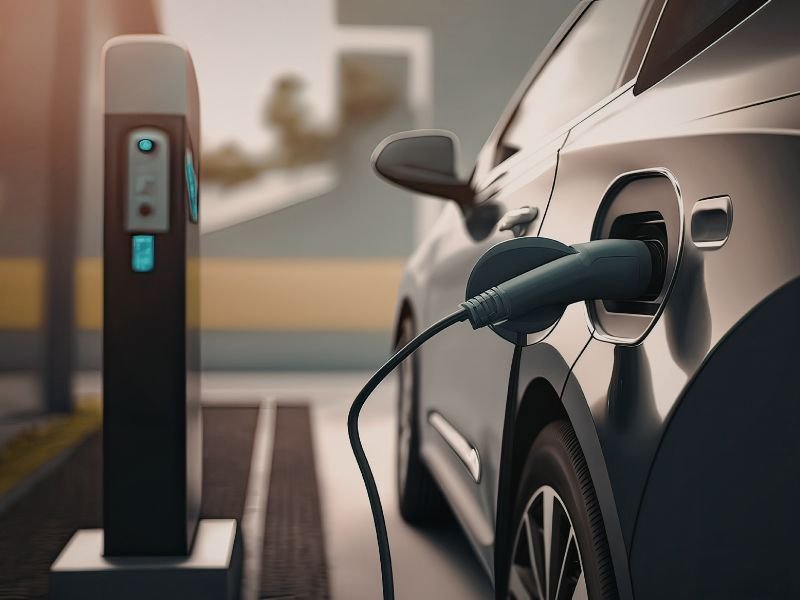
Electric Vehicle NZ: The Complete 2026 Buyer’s Guide
Top Selling and Popular EV Models in NZ (2026)
The 2026 market is no longer dominated by just one or two brands. While Tesla remains a heavy hitter, Chinese manufacturers like BYD and Zeekr are rapidly gaining market share with high-spec, lower-cost alternatives.
1. Tesla Model Y (The Reigning Champ)
The Model Y remains the best-selling passenger EV in New Zealand. Its combination of a proven Supercharger network, minimalist design, and high resale value makes it the “safe bet” for Kiwi families.
2. BYD Atto 2 & Sealion 7 (The Disruptors)
BYD has seen a staggering 540% growth in early 2026. The Atto 2 (the successor to the popular Atto 3) has become the go-to for budget-conscious buyers, while the Sealion 7 is a direct, tech-heavy rival to the Model Y.
3. MG4 & MG ZS EV (The Value Kings)
MG continues to lead the “affordable” segment. The MG4 hatchback remains a favorite for city commuters in Auckland and Wellington due to its sharp handling and competitive sub-$45k entry price.
4. Zeekr 7X & G6 (The Luxury Newcomers)
Keep an eye on Zeekr and XPeng. The Zeekr 7X has quickly climbed the charts in 2026, offering a premium European-style interior at a price point that undercuts traditional luxury brands like BMW and Audi.
Key Considerations for NZ Electric Cars
Buying an EV in 2026 requires a different checklist than a traditional petrol car.
The “RUC” Factor: Remember that as of late 2024, EVs are no longer exempt from Road User Charges (RUC). Budget roughly $76 per 1,000km into your running costs.
Range vs. Real-World Terrain: NZ’s hilly terrain and open-road speed limits can sap battery life faster than city driving. If you frequently travel between Hamilton and Auckland, look for a model with a real-world range of at least 400km (WLTP).
Charging Speed (kW): Not all chargers are equal. Look for cars with at least 100kW+ DC fast-charging capability to take advantage of the new ultra-fast chargers being installed along State Highway 1.
Bidirectional Charging (V2L): More 2026 models now offer “Vehicle-to-Load” (V2L). This allows you to power tools, camping gear, or even your home during a power outage—a huge plus for rural NZ properties.
Where to Buy EVs in New Zealand
In 2026, the buying process has shifted toward “Agency” models and direct-to-consumer digital sales.
Manufacturer Direct: Brands like Tesla, BYD, and Polestar primarily sell online with “Experience Centres” in Auckland (Newmarket/Grey Lynn), Wellington, and Christchurch for test drives.
Traditional Dealer Networks: Toyota, GWM, and Hyundai still use traditional dealership models, which can be better if you have a trade-in or prefer face-to-face negotiation.
Certified Imports: If you are on a strict budget, look for Japanese “grey imports” (like the Nissan Leaf or older Hyundai Ioniqs) through specialized dealers. Note: Ensure the battery SOH (State of Health) is verified.
Where to Buy EVs in New Zealand (2026)
While many new EV brands like Tesla and BYD use a “Direct-to-Consumer” online model, the majority of Kiwis still prefer the security and variety found through New Zealand’s established automotive platforms.
Trade Me Motors: As New Zealand’s largest online marketplace, Trade Me Motors is the primary hub for both private sales and dealership listings. In 2026, their “EV & Hybrid” search filter is more advanced than ever, allowing you to filter by Battery State of Health (SOH) and Charging Port type, making it the best place to compare prices across the entire national market.
Turners Cars: With a massive physical footprint from Whangarei to Invercargill, Turners is the largest used car retailer in the country. They have become a leader in the “Ex-Lease” EV market, offering certified 2023–2025 models at significant discounts. Their “Buy Now” and “Online Auction” features provide a transparent way to secure an electric vehicle with the backing of a traditional mechanical warranty.
Frequently Asked Questions (FAQ) – Electric Vehicles
Is there still a Clean Car Discount in 2026?
No, the government rebate (Clean Car Discount) ended in late 2023. However, the market has naturally adjusted, with many manufacturers lowering their base prices in 2026 to remain competitive.
How many public chargers are in NZ now?
As of April 2026, the government has funded an additional 2,500 chargers, bringing the national total toward 4,500 points. The goal is to have 10,000 public chargers by 2030.
Can I charge an EV with a standard 3-pin plug?
Yes, but it is slow (roughly 10km of range per hour). For most Kiwi homes, installing a Level 2 Wallbox is recommended, as it can fully charge most EVs overnight during “off-peak” electricity hours.
Are EVs cheaper to maintain?
Generally, yes. With no oil changes, spark plugs, or complex exhaust systems, servicing costs are typically 30–50% lower than internal combustion engines.

Raj Singh Sandhu is a New Zealand-based Digital Marketing Specialist helping businesses grow through SEO, Google Ads, and high-converting websites. He is the founder of AllFinance.co.nz, a platform that provides financial calculators, practical guides, and finance resources for Kiwis. Through AllFinance, Raj also supports businesses by offering directory listings that increase their online visibility and connect them with users actively searching for financial services. His focus is on simplifying complex topics and creating digital platforms that deliver real value to both consumers and businesses.
